🚨 ABSOLUTELY SHOCKING: STEPHEN COLBERT’S NEXT MOVE ISN’T JUST ABOUT TELEVISION… 👀
For years, Stephen Colbert was known primarily as the sharp-witted comedian who turned political headlines into late-night television. But away from the monologues, celebrity interviews, and studio audience, Colbert has also been involved in a very different kind of venture: screenwriting software.
Now, that business is attracting renewed attention.
According to The Hollywood Reporter, Scripto, the software company co-founded by Colbert, recently completed a $5 million seed funding round. The platform is used by late-night television productions, placing Colbert in an unusual position: he is not only someone who writes comedy for television, but also a co-founder of a company developing tools for the people who make it.
That distinction matters in an entertainment industry facing major changes. Television productions are under pressure to control costs, adapt to new distribution platforms, and find more efficient ways to develop content. Software designed specifically for writers' rooms could become an increasingly important part of that process.
Colbert understands the environment from the inside. His years in television have given him firsthand experience with the demands of producing material on tight deadlines, coordinating writers, and turning rapidly changing news into a finished show. That background offers a different perspective from someone entering the technology business without direct experience in entertainment production.
However, the funding announcement should not be mistaken for proof that Scripto will transform the industry overnight. A seed round is an early stage of financing, and the company's long-term growth will depend on factors such as adoption, competition, product development, and whether its tools solve real problems for professional writers.
Still, the development adds an interesting dimension to Colbert's career at a time when his future is being reconsidered.
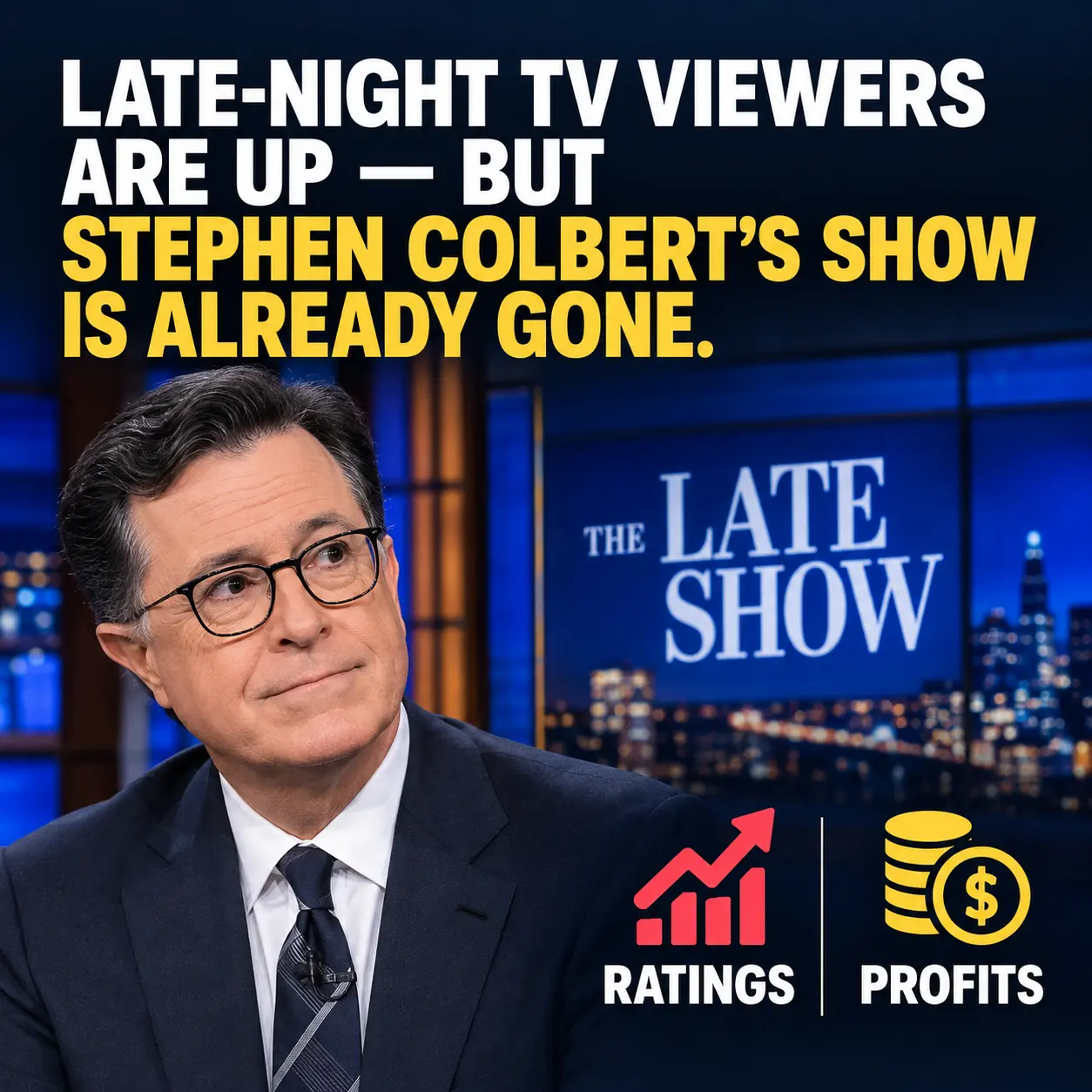
The end of The Late Show with Stephen Colbert in May 2026 closed an 11-season chapter on CBS. The program's final season later won the Emmy for Outstanding Variety Series, giving Colbert and his team a major professional recognition even as the show itself came to an end.
But a television career is not the only way for a comedian to remain involved in the industry. Writing, producing, developing new projects, and building businesses can all create opportunities outside a traditional nightly broadcast.
Colbert's work on a new Lord of the Rings film with his son Peter is another example of his creative interests beyond the talk-show format. Scripto represents a different side of that picture: a business venture connected to the practical process of creating entertainment.
The larger question is whether Colbert's next chapter will be defined by one major project or by several different roles behind the scenes. He may no longer be delivering a nightly monologue on CBS, but that does not necessarily mean his influence in entertainment has ended.
For longtime viewers, the change may be surprising. They spent years watching Colbert react to the news in front of a camera. Now, part of his professional story is unfolding in businesses and projects that audiences may never see during a traditional television broadcast.
And that could be the most interesting part of his post-Late Show era: the public knows the comedian, but his work outside the spotlight may be just as revealing about where his career is heading.
What do you think? Should Stephen Colbert return to television, or would you rather see him build something new behind the scenes?