💔 “MY BODY ISN’T FEELING TOO GOOD TODAY…” — ARYNA SABALENKA’S EMOTIONAL HEALTH STRUGGLE SPARKS CONCERN AMONG TENNIS FANS WORLDWIDE
Tennis Feature | Fictionalized scenario inspired by the pressures of professional tennis. The quoted remarks and health incident described below are not verified events.


8
A moment of vulnerability, an emotional press conference, and a reminder that even the strongest athletes can face battles far beyond the tennis court.
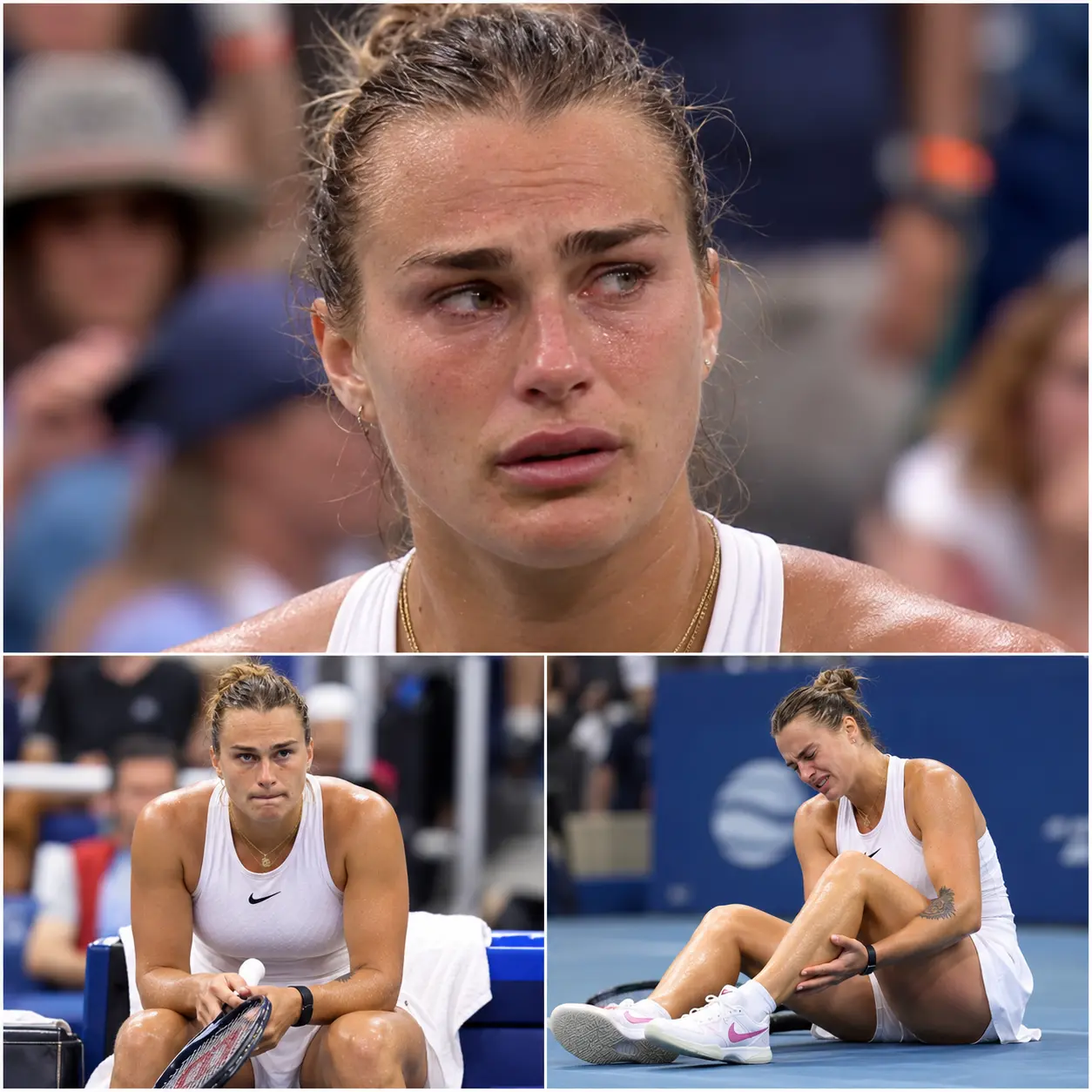
In a fictional post-match scenario that captures the intense physical and emotional pressures of professional tennis, Aryna Sabalenka finds herself at the center of a deeply moving moment after a hard-fought opening victory.
The Belarusian tennis superstar, celebrated for her explosive power, fierce determination, and commanding presence on the court, is imagined stepping into a crowded press room with an expression that immediately catches the attention of reporters.
Instead of discussing powerful serves, tactical adjustments, or her next opponent, she delivers a few quiet words that change the atmosphere.
“My body isn’t feeling too good today…”
For a moment, the room falls silent.
It is the kind of admission fans rarely expect from an athlete whose public image has become synonymous with strength, resilience, and an almost unstoppable competitive spirit.
But behind every champion is a human being.
And behind every victory can be a struggle that the scoreboard never reveals.
A Victory That Came With an Unexpected Emotional Moment
Throughout her career, Sabalenka has earned recognition as one of the most formidable competitors in women's tennis.
Her aggressive baseline game, devastating groundstrokes, and relentless determination have helped establish her among the sport's elite.
Yet professional tennis demands much more than technical brilliance.
Players must navigate exhausting travel schedules, physically demanding matches, intense training sessions, constant public scrutiny, and the psychological challenge of competing at the highest level.
In this imagined scene, Sabalenka has just completed a difficult opening-round victory.
The crowd has cheered. Cameras have captured her final celebration. Supporters have applauded another display of fighting spirit.
Everything appears normal.
But when she enters the press conference, something feels different.
Her usual confidence is accompanied by visible exhaustion. She pauses before answering a routine question about her performance.
Then comes the emotional admission.
“My body isn’t feeling too good today…”
The imagined statement is not a medical announcement or evidence of any particular illness. Instead, it reflects a reality familiar to many professional athletes: winning a match does not necessarily mean feeling physically or emotionally well.
The Hidden Physical Demands of Professional Tennis
For elite competitors, the physical toll of professional tennis can be extraordinary.
A single match can require hundreds of explosive movements, repeated changes of direction, prolonged concentration, and sustained muscular effort.
Tournament schedules often leave limited opportunities for complete recovery.
Athletes may compete in different countries within weeks, adapting to unfamiliar conditions, changing time zones, and varying court surfaces.
Even when a player appears physically dominant, fatigue can accumulate.
Sports medicine professionals emphasize the importance of recovery, hydration, nutrition, sleep, and careful workload management.
For a player known for powerful movement and aggressive shot-making, maintaining physical readiness is especially important.
Sabalenka's playing style demands exceptional coordination between strength, speed, balance, and endurance.
In the fictional press conference, these demands form the backdrop to her emotional moment.
The message is simple but powerful: athletes are not machines, and their well-being matters beyond the results they produce.
When the Strongest Competitors Show Vulnerability
One reason such a moment would resonate deeply is Sabalenka's reputation for determination.
Throughout her career, she has experienced difficult defeats, intense expectations, and significant emotional challenges.
She has also demonstrated an ability to recover from setbacks and return to competition with renewed focus.
That resilience has become a defining part of her public identity.
But resilience does not mean never feeling overwhelmed.
Sometimes, it means acknowledging when something is difficult.
In the imagined press conference, Sabalenka does not attempt to disguise her exhaustion behind a rehearsed answer.
Instead, she allows herself a moment of vulnerability.
The reporters listen.
The cameras continue recording.
And the atmosphere shifts from competitive analysis to human concern.
For supporters, such an admission would serve as a reminder that the athletes they admire experience many of the same uncertainties and limitations as everyone else.
A Conversation About Health and Professional Sport
The fictional scenario also highlights an important distinction between discussing athlete well-being and making unsupported medical claims.
Alexander Zverev has publicly discussed living with type 1 diabetes. However, there is no verified basis here for attributing that diagnosis to Aryna Sabalenka.
Type 1 diabetes is a chronic autoimmune condition that requires ongoing insulin treatment and careful blood glucose management.
It should not be confused with ordinary fatigue, dehydration, or the physical exhaustion that can follow intense athletic competition.
There is no reason to assume that a player who reports feeling unwell has this condition.
More broadly, professional athletes may encounter a wide range of physical challenges, from minor illnesses and muscle fatigue to injuries requiring specialist assessment.
The appropriate response to concerns about an athlete's health is to rely on confirmed statements from the player, medical professionals, or authorized representatives rather than speculation.
In Sabalenka's imagined situation, the focus remains on empathy, recovery, and the pressures of competition—not an invented diagnosis.