The Seattle Seahawks’ reported 32–29 defeat against the San Francisco 49ers has sparked controversy after a disputed final play allegedly prompted head coach Mike Macdonald to question the officiating. The incident has fueled debate about fairness, consistency, and critical decisions.
According to the circulating account, Macdonald expressed frustration over a ruling that reportedly denied Cooper Kupp a first down during a decisive moment. The alleged decision became the center of attention as supporters questioned whether officials had correctly interpreted the play.
The dramatic description of Macdonald’s reaction has added intensity to the story, particularly among Seahawks fans who believed the outcome deserved closer scrutiny. However, the exact circumstances of the play and the coach’s reported remarks require independent verification.
A three-point result naturally magnifies the significance of controversial decisions. When a game remains close until its final moments, even a single ruling can become a major talking point, especially when supporters believe their team lost an important opportunity.

For Seattle, the reported incident would be particularly frustrating if the ruling prevented the offense from extending a decisive possession. A first down can change a team's options, influence the remaining clock, and create opportunities to pursue a winning score.
Nevertheless, determining whether the ruling was incorrect requires more than examining the final score or a coach’s reaction. The precise spot of the ball, the relevant down-and-distance situation, and the applicable rules would all need careful examination.
The story also attributes a response to Mark Butterworth, identified as an NFL vice president responsible for instant replay. That claim requires confirmation, including verification of the official’s position and the exact wording of the reported response.
If league officials addressed the controversy, their explanation would be important in understanding the decision. A formal clarification could describe the applicable rule, explain the evidence reviewed, and establish whether the ruling was considered consistent with NFL procedures.
Instant replay remains an important part of professional football because officials must make difficult judgments under considerable pressure. Video review can clarify certain elements of a play, although not every football decision is automatically reviewable under the league’s established rules.
Disputed first-down measurements can be especially contentious because the difference between success and failure may be extremely small. Television angles can offer useful information, but perspective, camera placement, and the exact location of the ball can complicate interpretation.
For Seahawks supporters, the central question is whether Cooper Kupp had actually reached the line to gain. Answering that question responsibly would require authentic game footage, reliable measurements, and confirmation of the officials’ ruling.
The 49ers, meanwhile, would have reason to focus on their performance rather than speculation surrounding the opposing coach’s reaction. Close divisional games demand execution from both teams, and the final result reflects the decisions and plays that occurred throughout the contest.
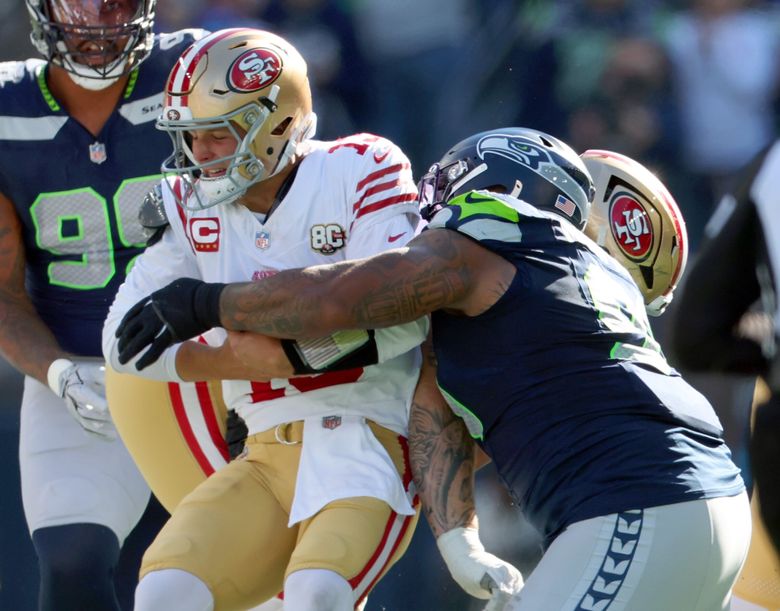
Rivalries between Seattle and San Francisco have historically generated strong emotions because the teams compete within the same division. Their meetings can carry implications for standings, postseason opportunities, and bragging rights, making controversial endings particularly memorable for supporters.
Macdonald’s reported criticism also raises a broader question about how coaches should address officiating. Coaches understandably advocate for their teams, but public accusations are most persuasive when they identify specific rules, observable evidence, and clear reasons for disagreement.
The league’s response, if officially documented, could help separate legitimate concerns from assumptions. Transparency matters because supporters want to understand how important calls are evaluated, particularly when the result appears to hinge on a single decision.
However, no verified quotation from Butterworth has been established in the information provided. Describing his response as shocking or suggesting that it will intensify the dispute would therefore be premature without a reliable source.

The distinction between a confirmed statement and a dramatic online narrative is especially important in breaking sports coverage. Headlines can spread quickly, but an inaccurate quotation or incorrectly attributed official response can mislead readers and unfairly damage reputations.
A thorough review of the incident would begin with the original broadcast and the official game record. Reporters would then compare the relevant footage with the rulebook and seek comment from the league or its designated representatives.
If those materials confirmed an officiating error, the discussion could shift toward accountability and possible improvements in review procedures. If the ruling proved correct under the applicable rules, the league’s explanation could instead clarify why the outcome frustrated supporters.
Either way, a controversial call should be assessed through evidence rather than assumptions about favoritism or unfair treatment. One disputed decision alone does not establish that officials deliberately favored one team over another.
The result also illustrates why late-game execution remains essential. Teams must manage clock situations, convert critical downs, and create opportunities before the final play, reducing their dependence on any single judgment made during a high-pressure finish.
For Seattle, reviewing the sequence could help the coaching staff identify both officiating concerns and football decisions worth examining. For San Francisco, the priority would remain preparing for the next challenge while allowing any legitimate league review to follow its established process.
At present, the reported confrontation and the alleged response from the league require stronger confirmation before their details can be presented as fact. The actual play, the official ruling, and any documented league explanation are necessary to establish what happened.
Until those details emerge from reliable sources, the controversy remains an account that warrants verification rather than a settled case of officiating misconduct. Fans can debate the decision, but the evidence must ultimately determine whether the call was correct.
Ultimately, the biggest unanswered question is straightforward: did the ruling involving Cooper Kupp comply with NFL rules? Authentic footage, official documentation, and a verified league explanation would provide the clearest answer, allowing supporters to judge the controversy on evidence rather than speculation.