“Now Pay the Price!”: George Clooney’s $50 Million Showdown With The View Divides the Room
The applause began before George Clooney reached his chair. Under the bright studio lights, the actor smiled, greeted the panel, and settled into what appeared to be a routine promotional interview. Minutes later, that welcoming atmosphere had collapsed. A disputed remark, an interrupted answer, and a refusal to change the subject would turn the conversation into the opening scene of a bitter confrontation.
The tension emerged when Sunny Hostin questioned the distance between Clooney’s public principles and the influence that accompanied his celebrity. Clooney initially answered with restraint, acknowledging that fame invited criticism and that nobody deserved automatic agreement. But when the discussion moved toward his motives, he leaned forward. He wanted the panel to identify exactly what it was suggesting and what evidence supported that suggestion.
Hostin attempted to explain the question, while another panelist tried to move the interview along. Clooney resisted the transition, insisting that the implication could not simply remain hanging over the conversation. The audience fell quiet as the exchange became increasingly specific. What had started as a challenging interview was becoming a dispute about whether a question had already delivered its own verdict.

“You can challenge my decisions,” Clooney said in the invented exchange. “But if you’re questioning my integrity, give me a fair opportunity to answer.” Hostin replied that public figures should expect scrutiny. Clooney agreed, then argued that scrutiny required listening to the response. Neither participant raised their voice immediately, which made the growing hostility feel even more uncomfortable.
A producer signaled that the segment was nearing its end. The familiar pressure of live television suddenly became part of the argument: limited time, competing speakers, and a commercial break approaching regardless of whether anything had been resolved. Clooney interpreted another interruption as a refusal to let him finish. He stopped smiling, placed both hands on the desk, and delivered the line that would define this imagined drama.
“You defamed me on live TV—now pay the price,” he declared. The sentence landed with enough force to silence the panel for a moment. A scattered reaction rose from the audience before the host announced a break. The cameras moved away, but the disagreement continued beyond the portion of the conversation viewers had been allowed to see.
Backstage, Clooney requested the complete recording and asked that relevant production material be preserved. His representative urged everyone to stop arguing until the exchange could be reviewed in full. Clooney remained focused on one complaint: he believed the audience had heard an accusation without hearing his complete answer. The program’s team maintained that he had been asked a difficult question during a legitimate interview.
By evening, the dispute had acquired a dramatic financial dimension. In this fictional account, Clooney’s attorneys prepared a complaint seeking $50 million, alleging that the broadcast had harmed his reputation through a misleading presentation. The figure immediately overshadowed the original exchange. Suddenly, the argument concerned both what had happened on television and whether an enormous claim was an appropriate response.
Supporters would frame the action as a demand for accountability. They would argue that a broadcaster’s reach made fairness essential, especially when a guest’s explanation was repeatedly interrupted. Critics would reach a different conclusion. To them, the threatened expense of a major lawsuit would raise questions about whether a wealthy celebrity could make aggressive interviewing prohibitively risky.
That division would become the story’s central conflict. People who ordinarily defended tough questions would disagree about whether this particular exchange crossed a boundary. Others who admired Clooney would worry that the financial demand undermined his strongest point. Even among those convinced the interview had been unfair, there would be discomfort about turning an editorial dispute into a public battle over punishment.
The most widely shared clips would offer sharply different versions of events. One would begin with Clooney’s accusation, leaving out the preceding interruptions. Another would show the disputed question and end before Hostin’s explanation. A longer recording would reveal a messier encounter, with several people speaking at once. The additional context would complicate the argument without producing an obvious winner.
Inside the imagined newsroom, the controversy would create its own disagreements. Some staff members would defend the segment as an example of refusing to give a celebrity an easy interview. Others would question whether the panel had allowed the exchange to become personal. Reviewing the footage would force them to confront an uncomfortable possibility: confidence in their intentions did not necessarily settle questions about their execution.
Clooney’s team would face similar pressure. Advisers would warn that a dramatic legal response could keep the disputed remarks circulating far longer than the original broadcast. Others would insist that silence risked allowing the insinuation to become accepted history. Clooney would have to choose between pursuing a correction quietly and sustaining a confrontation that increasingly consumed the explanation he wanted people to hear.

The decisive material would be considerably less spectacular than the headline. Complete recordings, transcripts, production notes, and the precise wording of the disputed statements would become the focus of the fictional dispute. Neither an angry reaction nor a confident defense would establish what the broadcast actually communicated. Both sides would discover that their strongest public slogans concealed questions requiring careful, patient examination.
A proposal for a follow-up interview would briefly offer a way forward. Clooney would request uninterrupted time and a direct discussion of the original exchange. The program would seek assurances that the appearance would not become another confrontation. Negotiations would falter over whether a clarification should come first. Even the attempt to resolve the dispute would reveal how differently the two sides understood what needed repairing.
The story would close without a courtroom victory or a triumphant apology. Instead, the complete interview would be released, leaving viewers to encounter the pauses, interruptions, and unfinished explanations missing from the viral clips. Some would reconsider their certainty; others would hold their positions more fiercely. The enduring controversy would lie in that final choice: whether people wanted the fullest account available, or simply the version that made their preferred side look right.
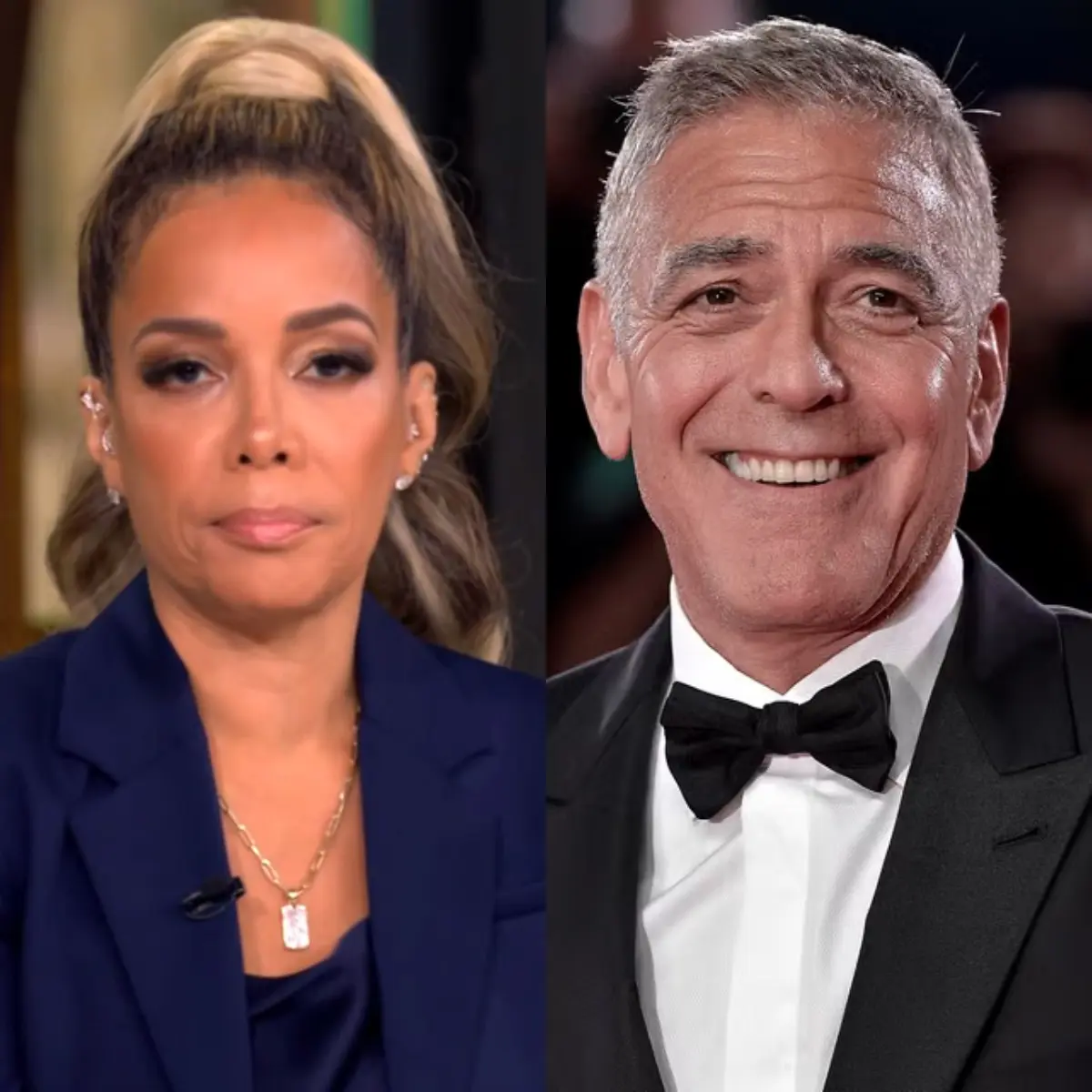
Illustrative photographs of the people and program mentioned; they do not depict the invented confrontation.